| Blue's Story | |
| Chapter 1 - Growing Up in Ireland (Erin Go Bragh!) |
|
|
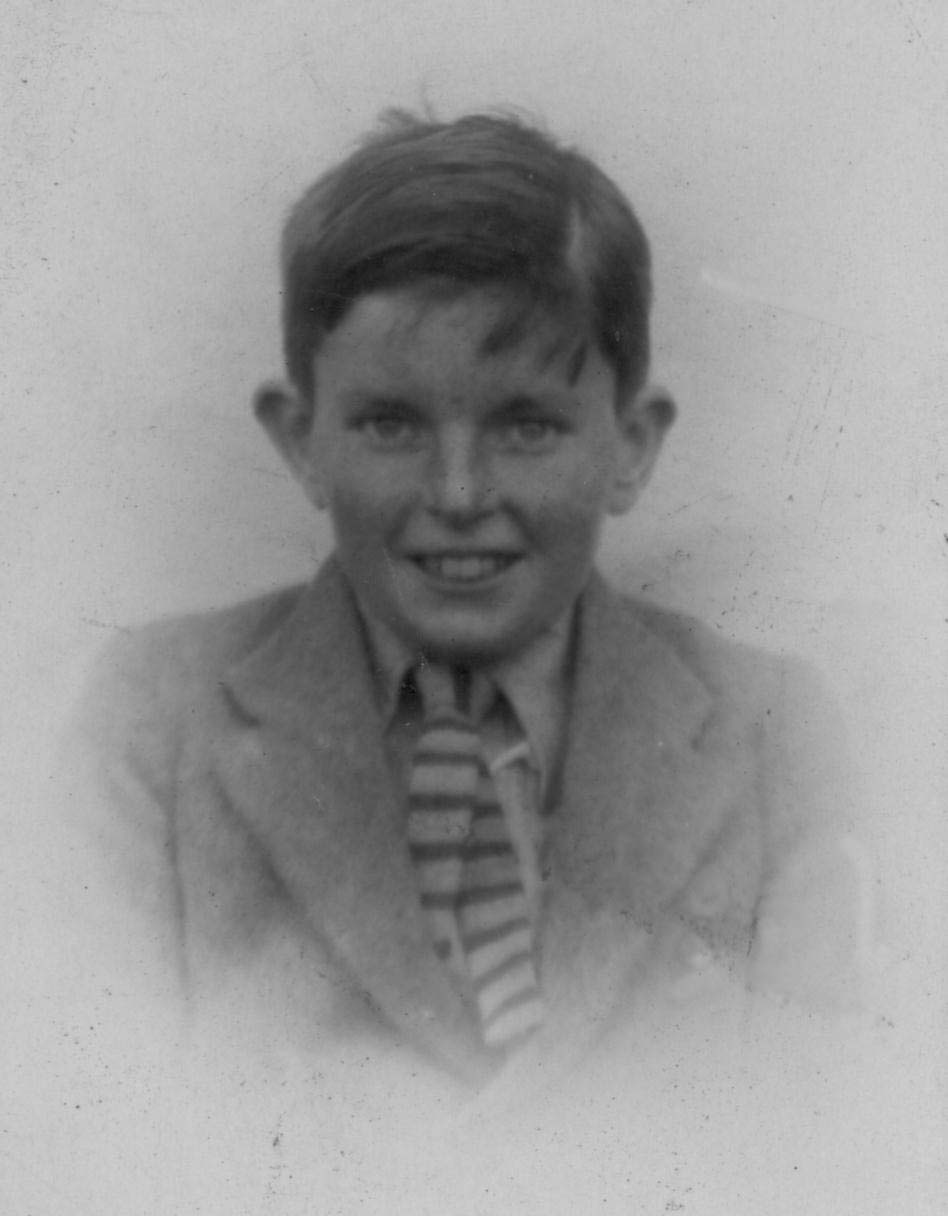
This is the days of your life by William Duncan Young, born in Millile, County Down, Ireland, the twenty ninth of October 1922.
It was important that I be born there because I wanted to be near my mother. Anyway I arrived, I don’t know what weight but I know it was the 29th. People often ask me what are the first things you remember. The first thing I remember was rocking my pram so much that it tipped over. That was my first adventure. Second one was my family used to, this is my older brother and sister, used to put me out on the front steps of the house we lived in in Millile, which I objected to. When they put me out and closed the door I decided to escape so I walked across the road. There was a big bus depot there by a pond. I approached one of the buses and I managed to climb up the steps on the outside of the driver’s side and get into the driver’s seat. From this position I was able to observe the family looking for me and saw the alarm that was raised when they found my beanie beside the pond. This really caused them to run round thinking I was probably at the bottom of the pond. Instead I was enjoying steering the bus from the position I was in in the empty bus. Eventually my sister Doreen found me there. By this time I must have been at least three, and the next thing I remember in my life was sitting on my father’s knee and riding in a big truck (outside the town of Kilkeel) on the way to Brackney Hall.
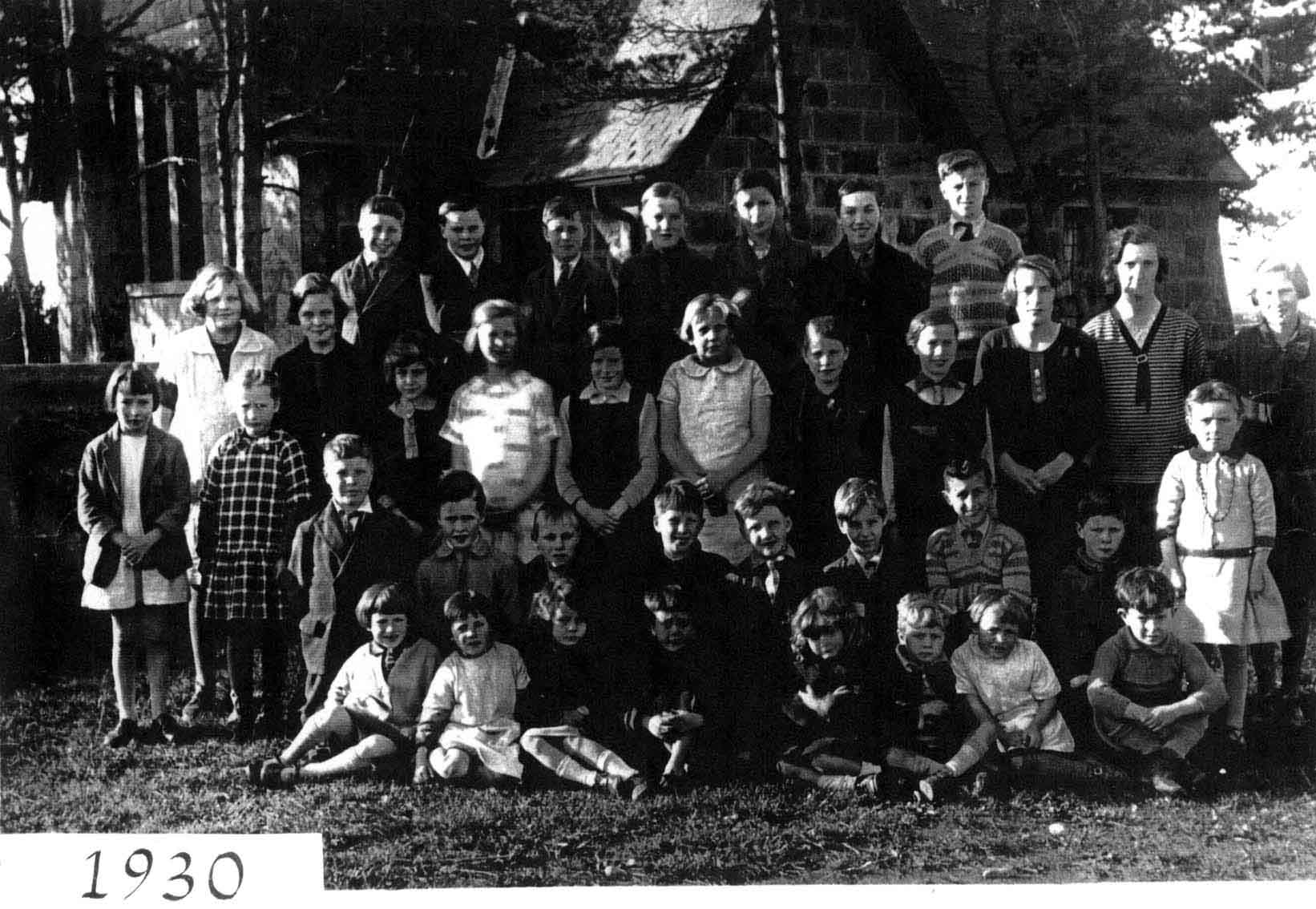
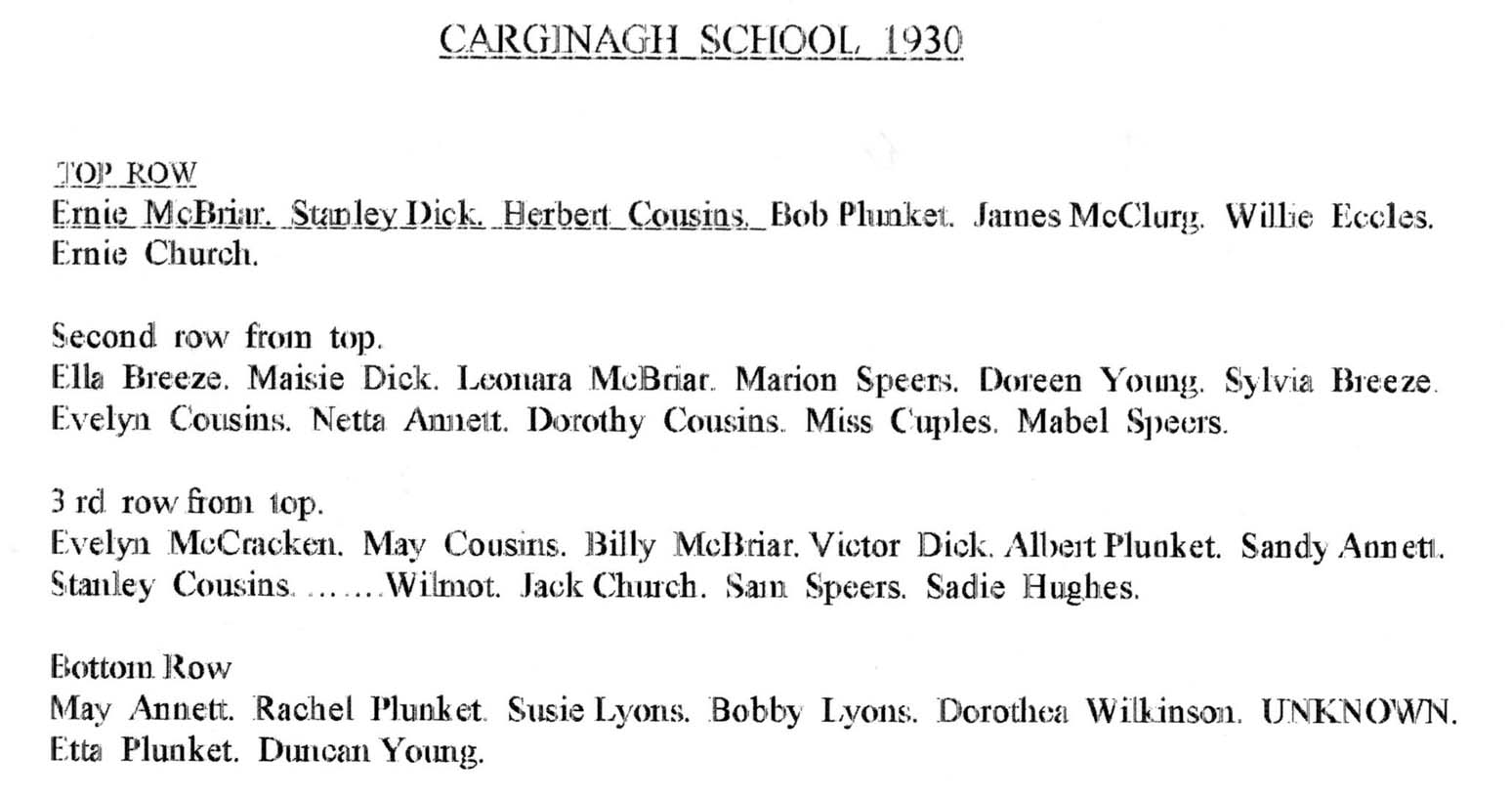
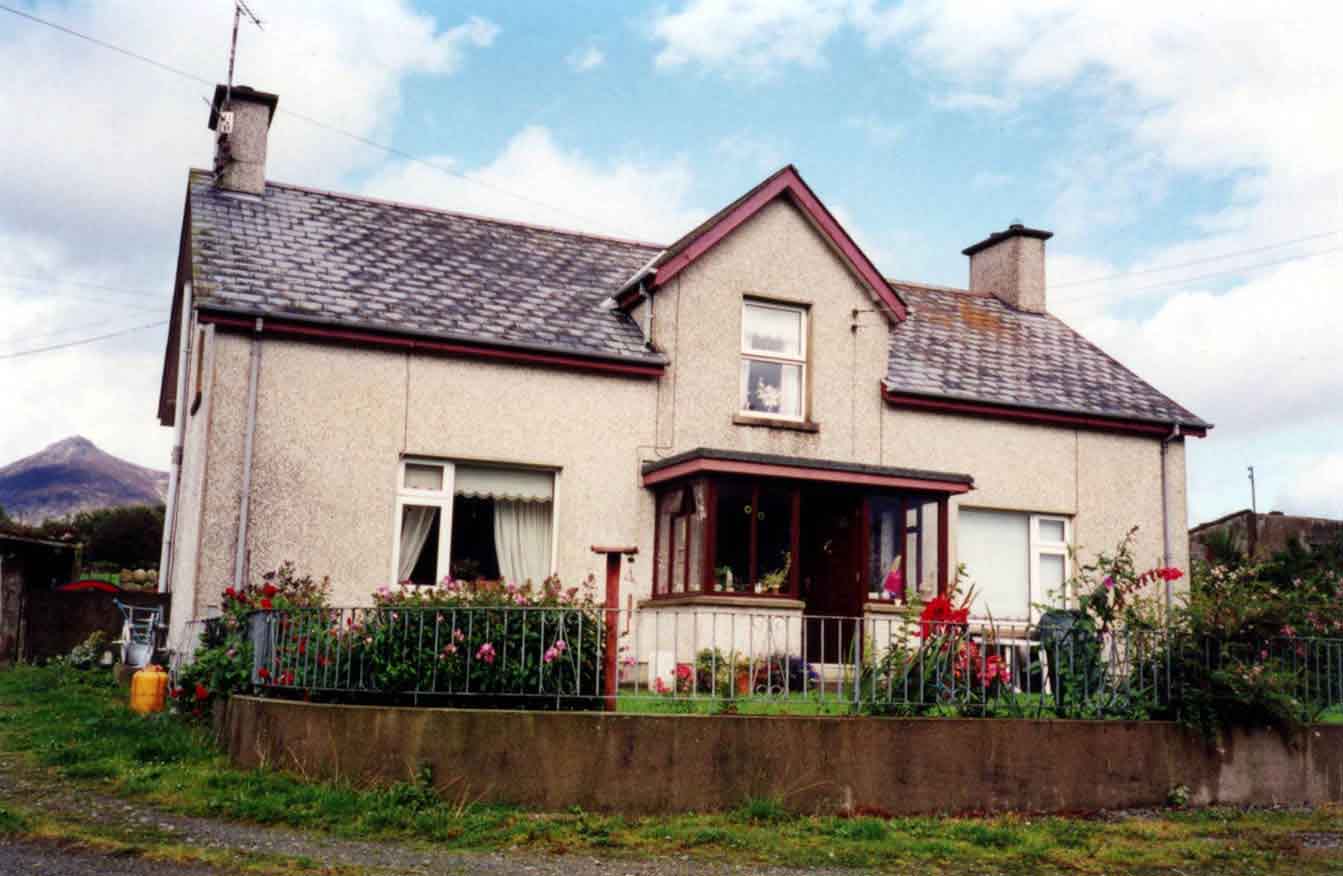
I don’t remember much more other than arriving at this huge place and the kafuffle that went on moving all the furniture in. It was a wonderful place, Brackney Hall. The only thing that could be said about it was that it was haunted. But my father soon assured us that there was not such a thing as a ghost so that was that. We weren’t worried about that any more. And we continued to live there in an idyllic life with a few exceptions which I’ll mentioned briefly. It was situated in about 20 acres of ground and it had lots of trees and plants growing around it with two driveways, one for the delivery of goods at the back and the other a gravel driveway at the front of Brackney Hall that had daffodils and snowdrops lined either side. And these grew in the spring time and really were a spectacular vision. The gardens and orchards around it had lots of variety including one tree, more like a bush, that was covered in fur. And this tree was definitely frightening to my brother Terence who wouldn’t go anywhere near it with its appearance like a gorilla. However the rest of us seemed to tolerate it. I think one of the highlights of the place was that it had an outside dunny, and the dunny was spectacular because it had three holes just like it was made for the three bears – a big hole, a medium sized hole, and a littler hole, with a huge drop below it. I remember we used to speculate who on earth dug this deep hole. (My memory may be faulty. Maybe there were five holes.) We all lived there and my older brother and sister went to school at Carginagh school, which was on the Kilkeel Silent Valley road stretching about five miles. It was at the junction of a road that was about two miles from Brackney Hall where we were. I measured this at a later date with a car and found it was more like one mile. The teacher I had when I eventually went to school was a Miss Couples who wore long leggin’ boots that were laced all the way from the ankle to the knee and we used to speculate how long it would take to put these on in the morning before she mounted her bicycle and rode from Kilkeel to Carginagh School. The headmistress was Mrs. Wilkinson. The class photo below was kindly supplied by Minnie and John Annet, who live at Brackney Hall.
I think I should tell you a little more about Brackney Hall. It was a huge two storey place. When you came in at the front entrance it had a stairway running to upstairs. On the front of Brackney Hall there was a Romeo and Juliet balcony and there were several bedrooms up there. Also there were a number of areas that we suggested had secret passages and my brother and sister continually looked for these passages but never ever found them of course but there was always a deal of speculation that they were there because the place had been built for about 200 years. Downstairs there was an observatory with plants and what have you, or a hot house as it is called these days, attached to one side of the house. On a wet day this was a great place for me to play. The kitchen that was huge had stoves and big fireplaces and had a coal house attached to it with living areas at the front of the house.
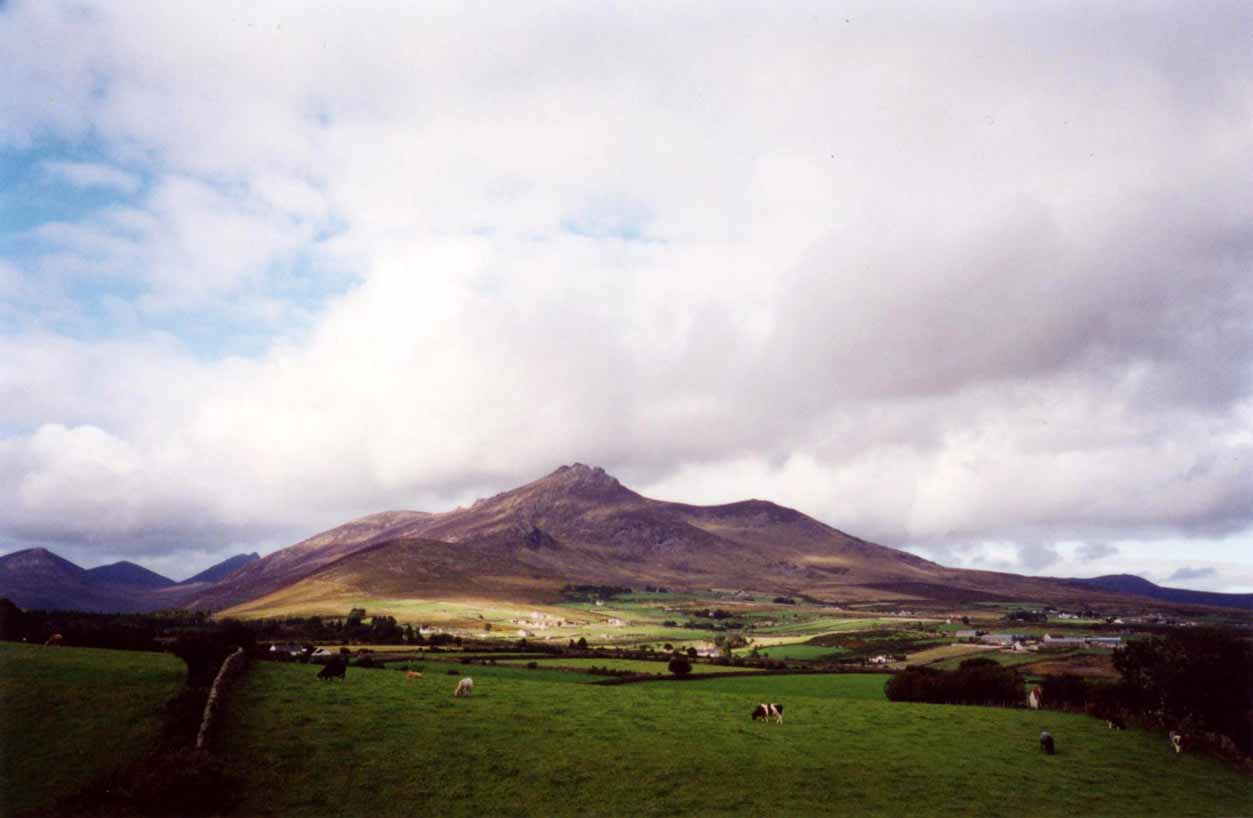
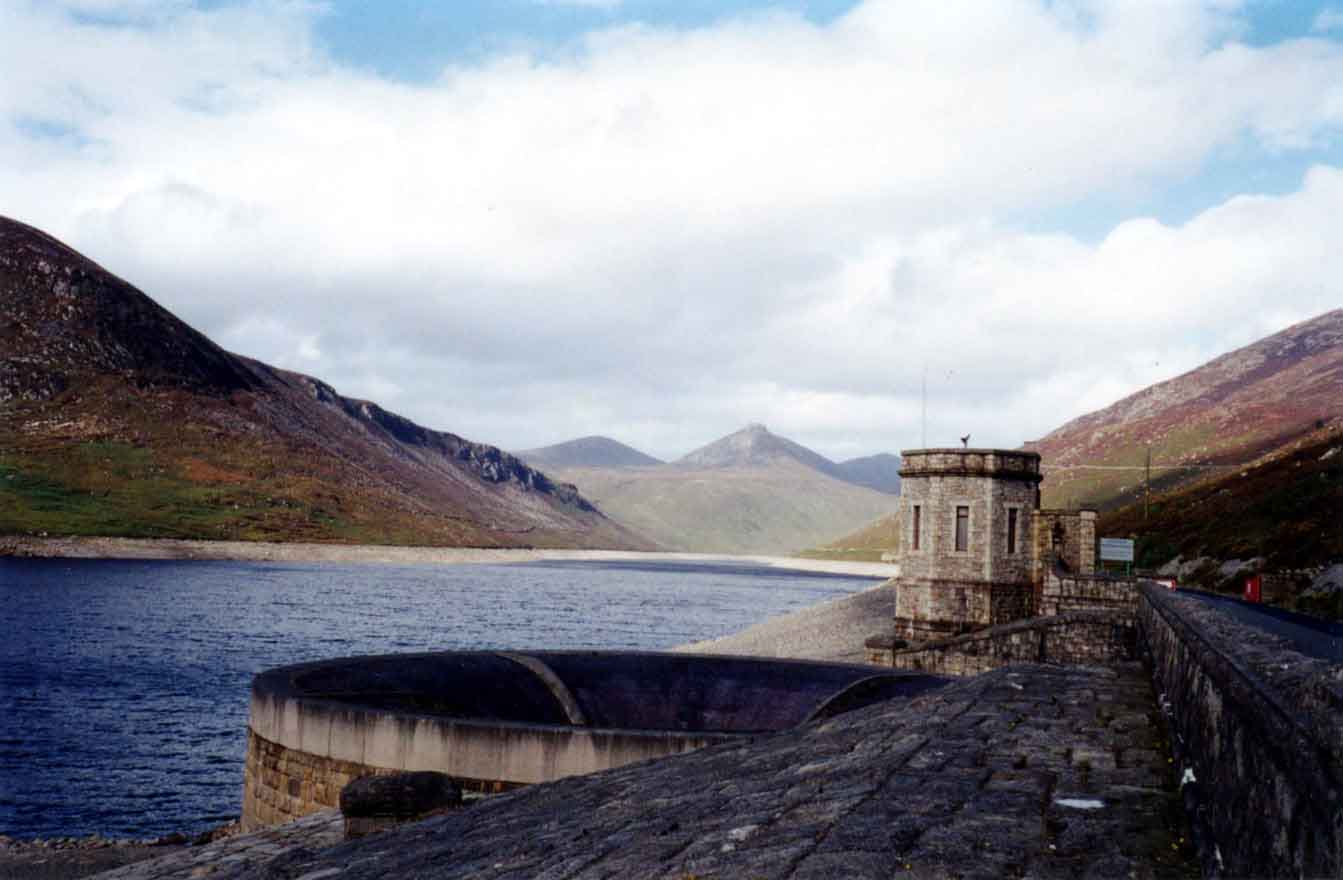
It was situated in a lovely area about five miles from the Mountains of Mourne where the nearest big peak was Binnien, and of course it was in the Mountains of Mourne that they built the Silent Valley reservoir.
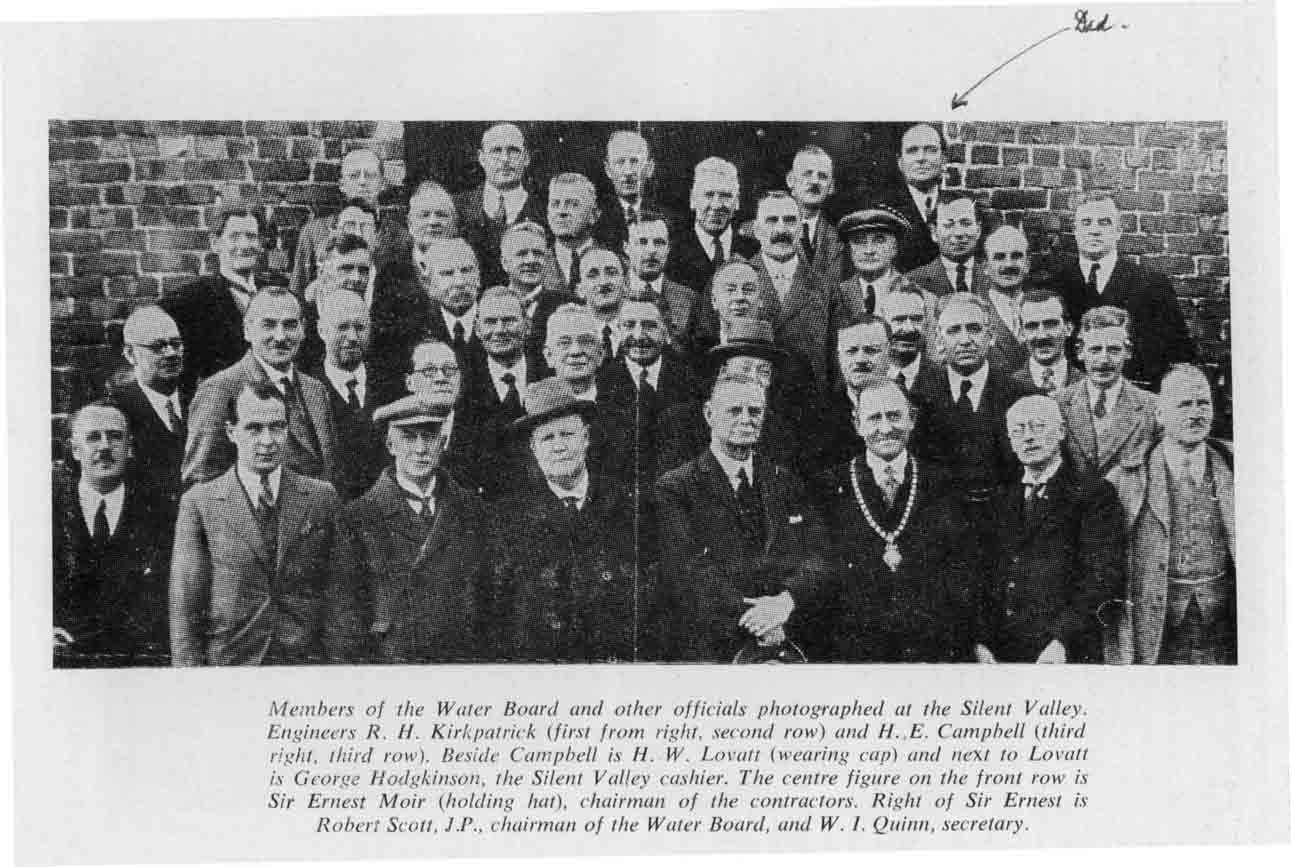
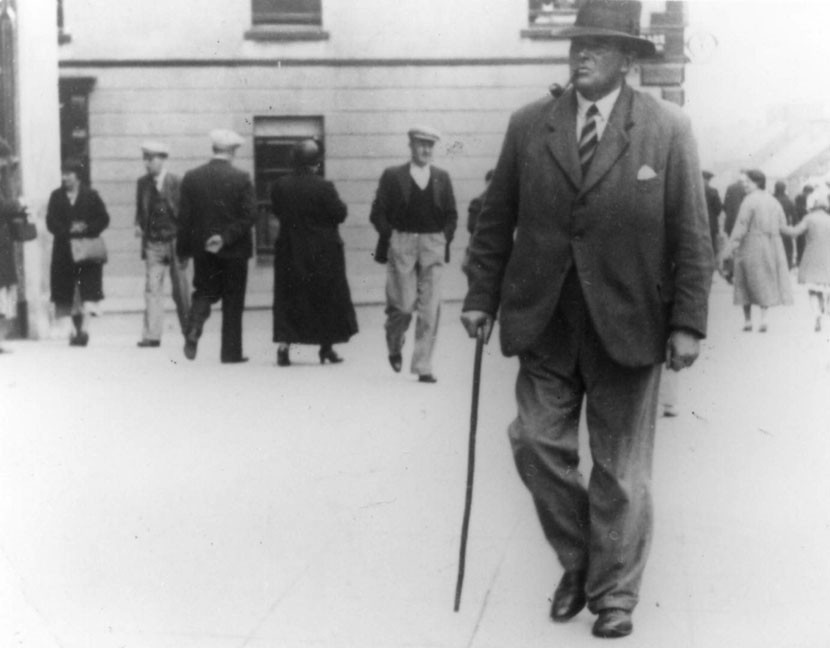
From the front gate of Brackney Hall you could see the sea in the distance. We were about five miles from a place called Ballymartin where the beach was, so it was an idyllic situation. The place was owned by a local farmer called Willie Annet. Willie Annet was the local farmer and he was my idol because as he ploughed the fields and did all the jobs around the place I used to walk five paces behind him and follow him up and down fields, and always said to my family that I was going to be a farmer when I grew up. When the day’s ploughing was complete he would always put me up on top of this big black mare that was called Lucy and Lucy, of course, knew her way back to the stables at the bottom of the garden where we lived, and I used to proudly ride Lucy on the way back at the end of the day. I do remember that at Brackney Hall we were the first with a radio and Dad used to listen to Rugby on Saturday afternoon. We could get two stations – Daventry in England, and Dublin Athlone and Cork in the Irish Free State. Many of our neighbours came to hear special items such as concerts. I think there is very little else to say about living at Brackney Hall other than we all enjoyed it. I suppose if there were any black spots it was when my Mum who used to enjoy the bottle at special times like Christmas time and what have you when she got on the bottle bloody life was hell. But fortunately she didn’t do it all the time and eventually we left Brackney Hall after about seven years and moved to a place called Aughnahooray which was on the road between Kilkeel and Silent Valley. This was a two-storeyed house that had a neighbour attached to it with a little cottage, two-roomed thatched cottage, and in it lived an old lady, a wonderful old lady called Martha Cunningham. Martha Cunningham was like a second mother to us, especially when Mum got on the grog. Martha was an ardent Catholic, and walked every Sunday morning to church at Ballymarin. When we moved to Aughnahooray I used to have to go across the river to a farm that was owned by the Walmsley family. As kids we used to admire the big water wheel going around with the force of the water. It is suggested that at this stage I should tell you of the family who lived with me so that we have a record. Dad, of course, was a civil engineer and the reason we went to Brackney Hall and Aughnahooray was that he worked at the Silent Valley reservoir, which was a big reservoir constructed for the supply of water to Belfast. He worked there at the Silent Valley as a civil engineer and the time I remember ever going there was to see a silent picture that was shown for the men and I do remember one part of the picture when a man jumped through a window and landed on the back of a horse and the farmers I told this story to used to shake their heads in amazement and say I wonder how much damage that did to the horse. We commonly knew my father as Pop. Dad was a great person. He was the stability of the family. He was a big bloke, six foot three, and must have weighed 15 or 16 stone. He played Rugby and was selected for Ireland but I doubt that he ever played. But he did play for Norths in Rugby for Northern Ireland. He went to Colraine academic and then Queen’s University at Belfast. He was certainly the mainstay of the family and was dearly loved by all the family. Gee, how he put up with Mum is more than I know, but there you are. He married her because he loved her and that was it.
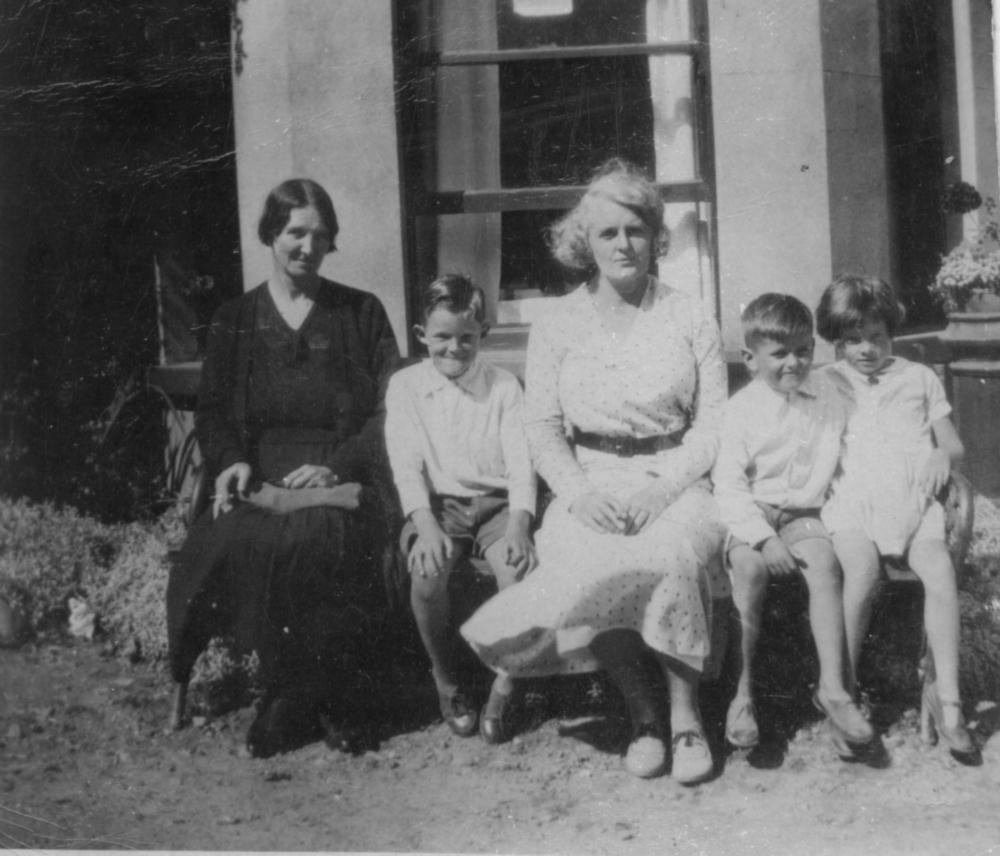
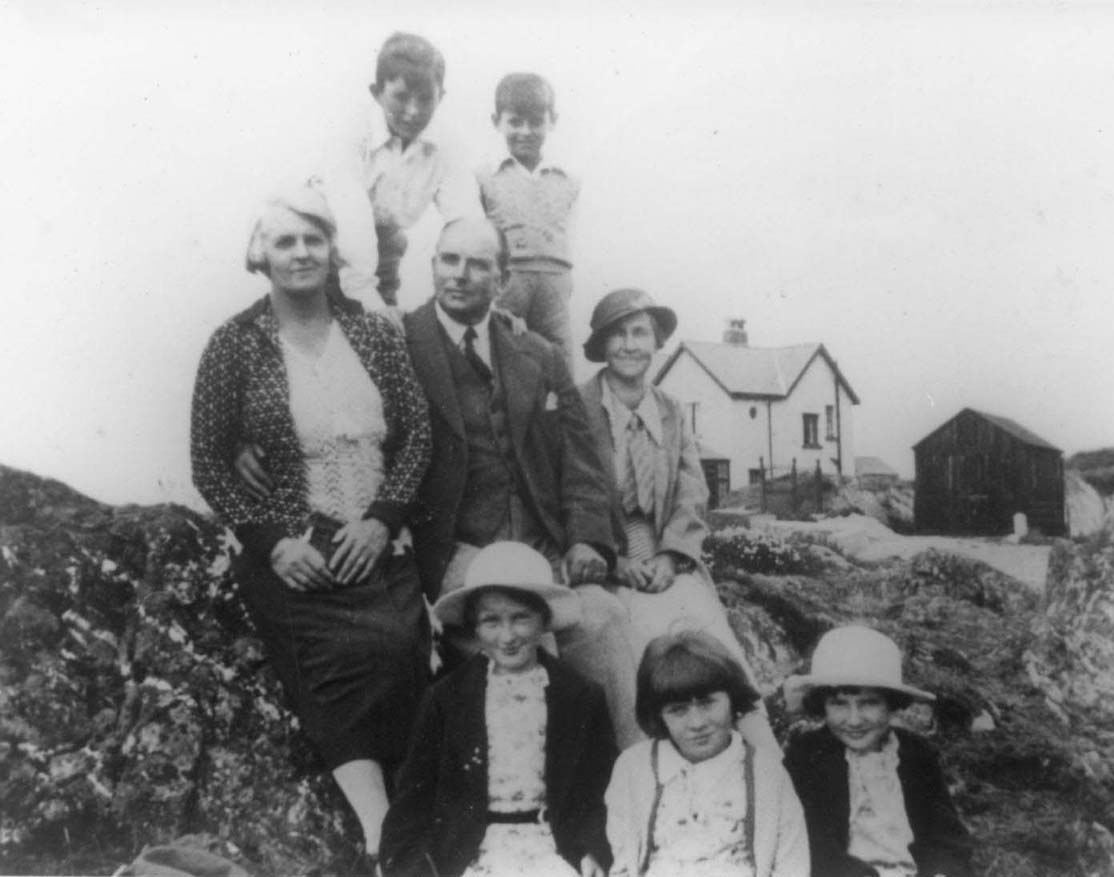
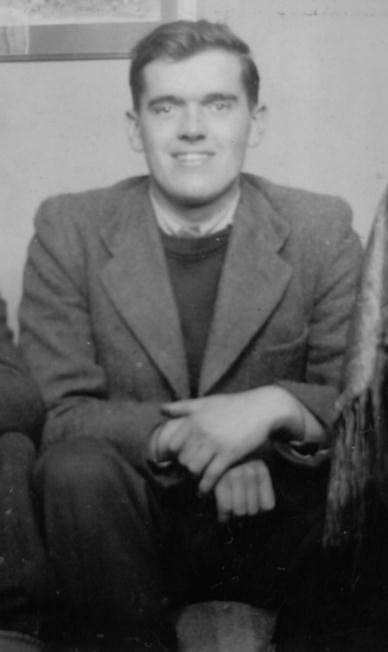
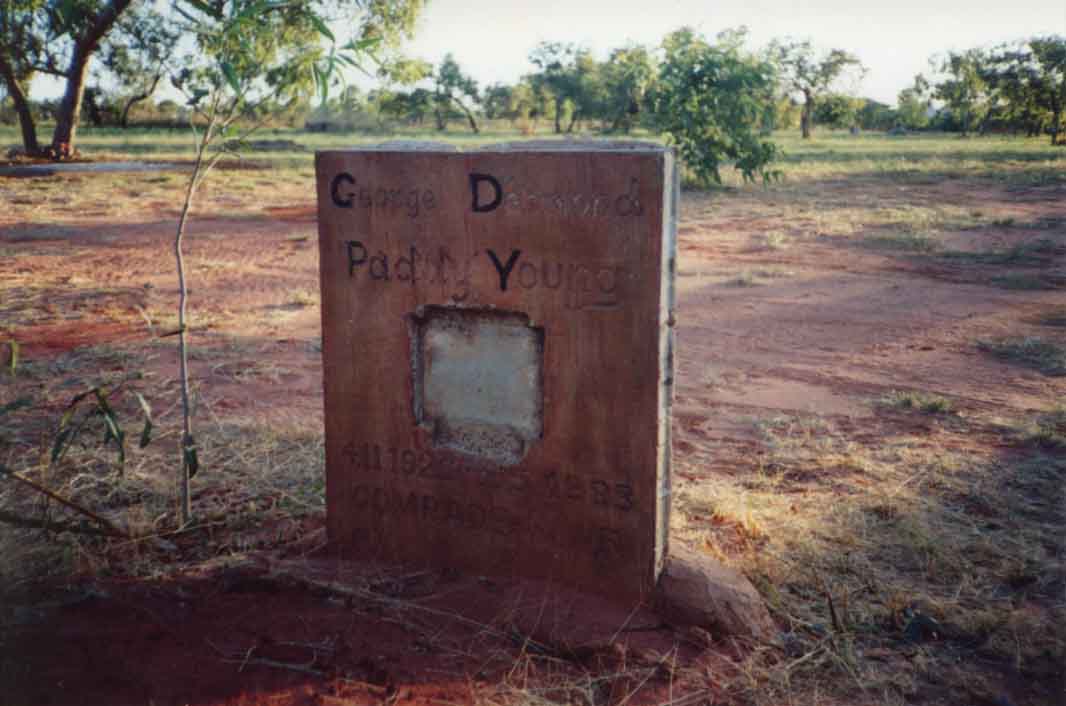
The rest of the family was my eldest sister Moira, my eldest brother Terence, then followed by Doreen, who was mother to all of us and used to play the piano. She later became a nurse. Then I was the next in line and following me were the twins George and Ethel, incidentally born at Brackney Hall. We were quite a sizeable family and when we came to moving it was quite an effort. Doreen Young (nee Bath) died in Southport, Queensland on 14/11/1989, and her ashes are at Newhaven crematorium. Doreen was married to Bob Bath and has a daughter Suzanne who is married to Peter Newman. They live at Mt Tamborine in Queensland, Australia, and have three children. George went to sea when he was 15 years old on the troopship MS Otranto. He broke his leg when he was involved in the sea landing in Italy. George came out to Australia in 1954 and worked on various wharfs. He eventually settled in Broome, Western Australia and worked on the wharf there. He died in 1993 and is buried in Broome.
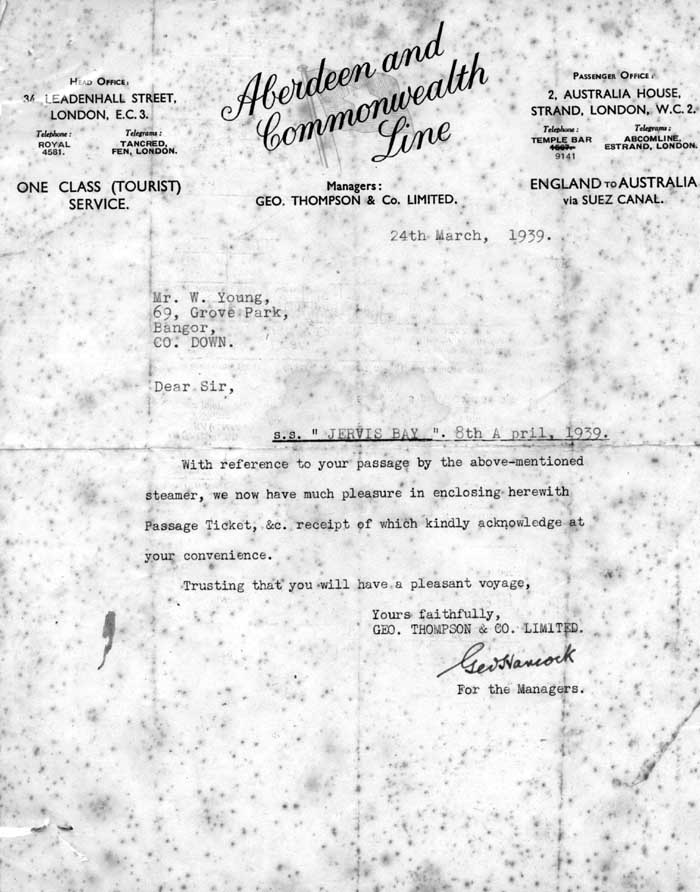
I think before I complete the story of Brackney Hall and Aughnahooray I should tell you I do remember seeing the R100 flying over Brackney Hall on its way to America (more about these early airships at this site). Getting on to more pleasant things, about 1933 we moved from Aughnahooray back to Belfast. This was when my father’s contract at the Silent Valley had terminated. We moved to a place at Cabin Hill park across the road from Campbell College in the suburb of Knock. We lived there while I went to a private school with my brothers and sisters, a Miss Hucker’s private school which, believe me was bloody hell after being at a country school, and going to this school was absolutely bloody terrible. After about six months my father took me away from that and sent me to a public elementary school, that is, a state run school at Ballymecarrot. I loved it. Working class people are people who talk my language. They weren’t the sort of people who had a lot of money. In fact I remember going to see one of my friends and I asked his mother if I could go up and see him. He lived quite close to the school. His mother was standing talking to another lady and she said yes, it will do him good, let him go up, and I went up and saw my friend who was sick in bed and he was covered in bags not blankets because they couldn’t afford blankets. That was a bit of an eye opener of the people I went to school with. That was in Belfast. We eventually moved from Belfast to Newtonards for a couple of years and then moved to Bangor and it was in Bangor that I left school at the age of 14 much to the dismay of my parents and everything else, but I had a job at Harry Walsh’s newsagency where I delivered papers early morning and late afternoon and worked in the shop the rest of the day and I think I got ten shillings a week which was a lot of money in those days. There was a book or a magazine that came in called Everybody’s that had a story in it about the Big Brother Movement which I read thoroughly and took home. It was more or less an article on young blokes, from England, Scotland and Ireland joining the Big Brother Movement and going with them to Australia to work on farms and station properties. You can read more about the Big Brother movement by following this link. As work was very short in Ireland this appealed to me and I spoke to my father. He said yes well there’s no work here, by all means go ahead. I wrote an application that was signed by my parents and a fortnight or three weeks later I was interviewed by a Colonel Clegg in Belfast and within a couple of months I had my sailing date to sail from England to Australia. The boat that I was assigned to was the MS Jervis Bay which later during the war became very famous for its battle with the pocket battleship in the mid Atlantic which I recall later.
One thing that I have not recorded that I think should be was that Moira died when we were in Auchnahooray. She died in the Down Patrick hospital of appendicitis. Of course you have to remember there was no penicillin in those days. Moira was tall, blonde and athletic and a good friend of mine. She was 17 when she died and this broke Dad’s heart. Then Terence died in Belfast, aged 17, when we were at Cabin Hill Park. He had pleurisy and double pneumonia and once again we didn’t have the benefit of penicillin in those days. Moira is buried at the Church of Ireland cemetery in Kilkeel and has a celtic cross over her grave. Terence is buried at the Knock cemetery at Belfast and I’m afraid I don’t know what cross he has over his grave.
|
|
| Chapter 2 - Coming to Australia and Going to War | |
| Chapter 3 - After the War | |
| Chapter 4 - After Flying | |
| Chapter 5 - Retirement (of sorts) | |
| Home | |